Philosophy
The Shape of Energy.
An architecture answerable to thermodynamics. A method that begins with the sun and ends with the people who keep the building alive.
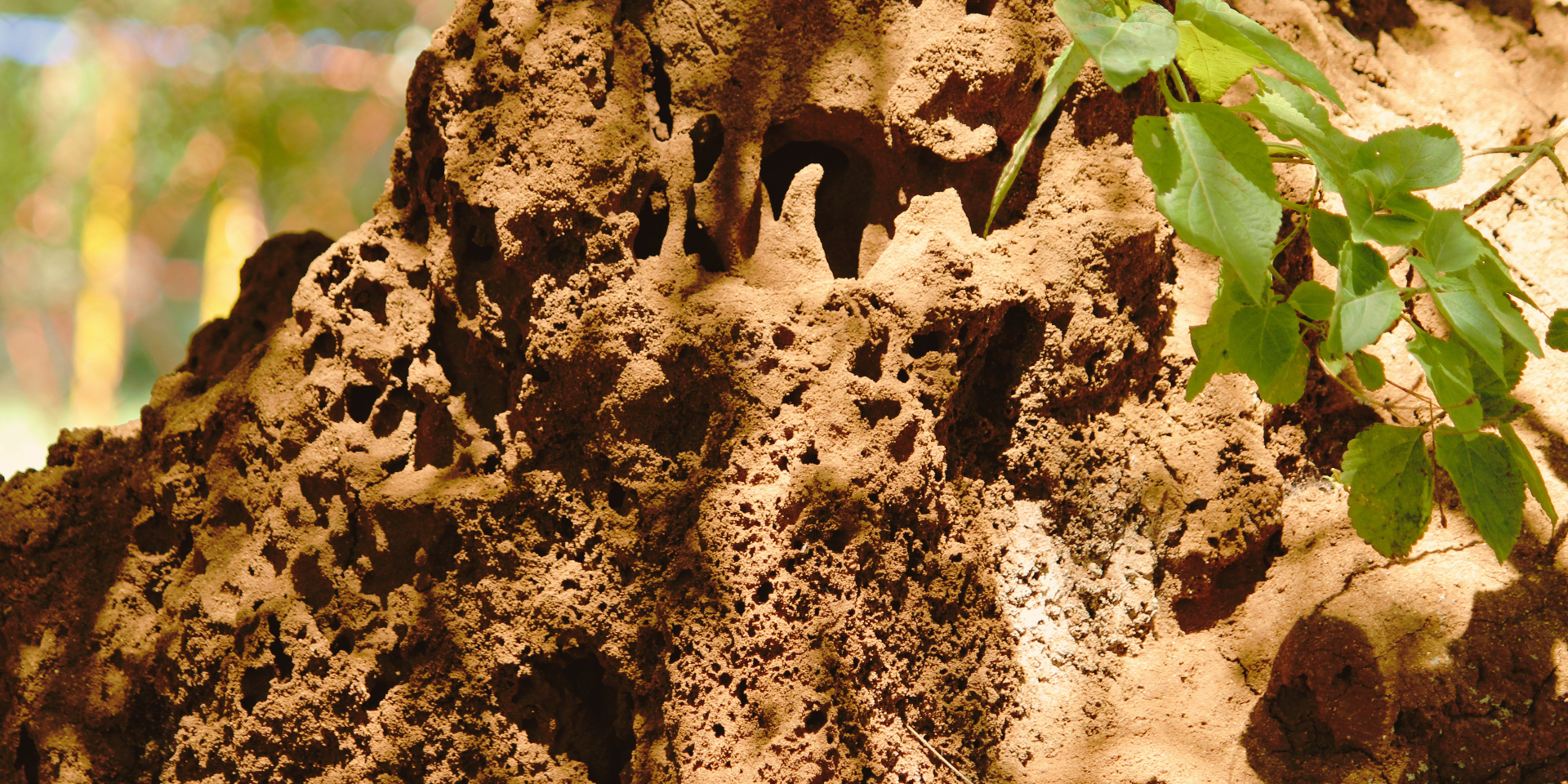
A building is an organism.
The termite mound rises from the savanna without engineers and without power. Its galleries vent hot air; its base draws cool air across damp fungus gardens; its mass damps the diurnal swing. The colony adjusts the openings hour by hour. Nothing about this is metaphor — it is a working set of instructions waiting to be read.
Eastgate Centre, completed in Harare in 1996, was the first building of its scale to take these instructions seriously. It cools 55,000 square metres of office and retail without conventional air-conditioning, using roughly a tenth of the energy of its peers. It is also a piece of African architecture made from African brick, by African hands.
Mass before mechanics.
A heavy building, properly oriented and shaded, holds the previous night's coolness through most of the working day. A light building does not. This is not ideology; it is the simplest physics we know. The first move of every project is to choose mass over machinery, geometry over gadgetry.
Build with what is here.
A building belongs to the place that fed it. Local materials carry local labour; local labour carries local repair; local repair carries the building forward through decades that the original architect will never see. Sustainability is not a certificate — it is the answer to the question who will fix this in forty years?
The shape of energy.
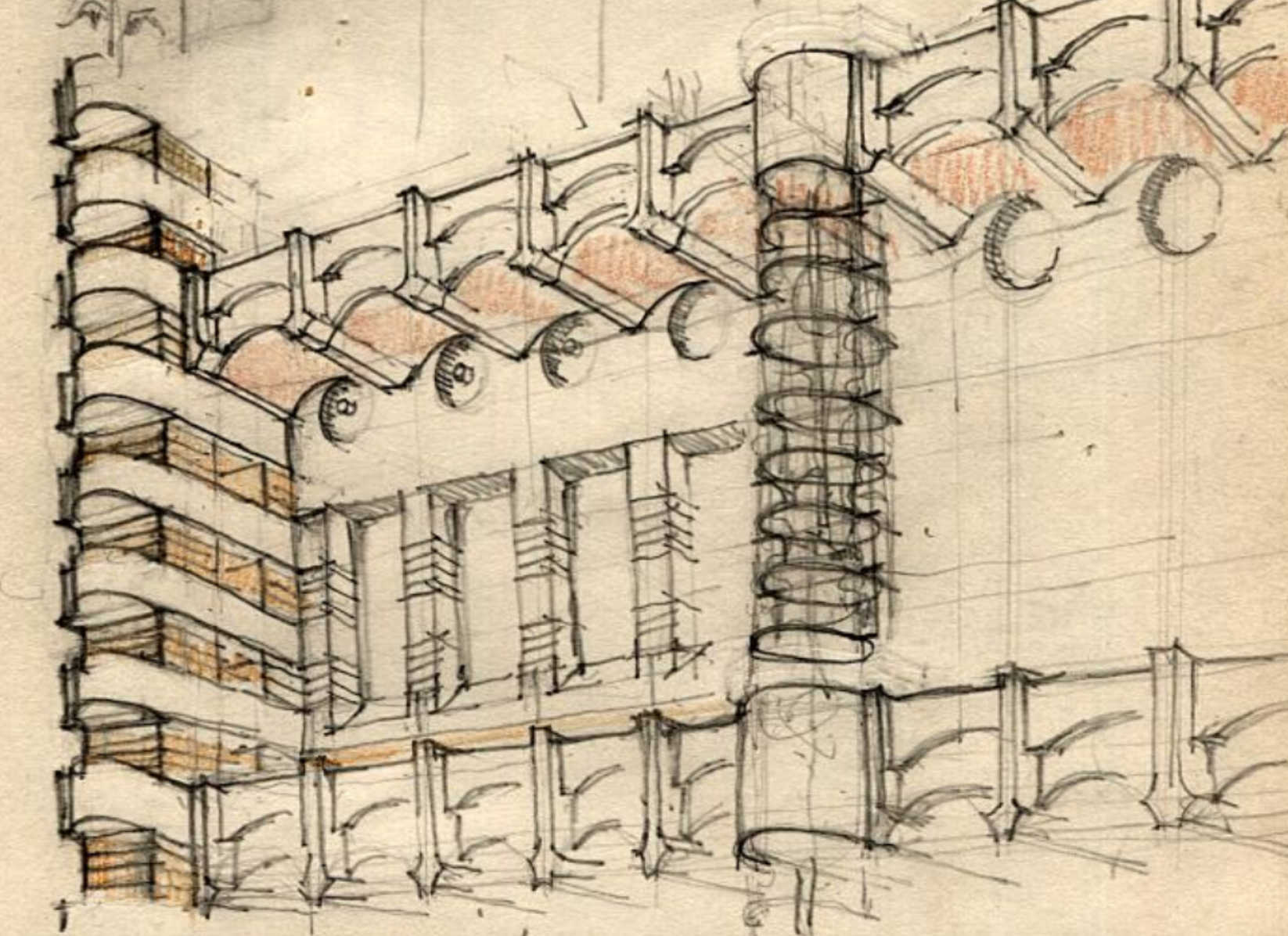
Every form a building takes is, at root, a diagram of the energy moving through it. The chimneys of Eastgate, the timber louvers of CH2 — these are not stylistic choices. They are the visible record of an argument with the sun, made beautiful by being made honestly.
— Mick Pearce, Harare
See the philosophy at full scale.
Selected works →